A landing page is more than a digital storefront. It’s the distilled essence of your offer, your brand’s handshake, and the gateway to real business results. Too often, businesses treat landing pages as afterthoughts, stuffing them with generic content or settling for uninspired templates. Yet time and again, the difference between a visitor who bounces and one who becomes a customer comes down to details: structure, clarity, mobile experience, and the subtle cues that guide action.
Understanding What Makes Landing Pages Work
Effective landing pages are both art and science. They blend UI/UX design sensibility with deep user experience research to anticipate what visitors want and how they behave. Success here isn’t about flashy graphics or clever copy alone. It’s about orchestrating each element - headline, imagery, call-to-action (CTA), navigation - so that friction fades and intent takes center stage.
Think of the last time you signed up for a service or bought something online directly from a landing page. Chances are it felt effortless: the headline spoke to your needs, visuals gave context without distraction, and the next step was obvious. These aren’t accidents; they result from conscious design choices rooted in conversion rate optimization.
The Anatomy of High-Converting Landing Pages
Successful landing pages don’t follow a rigid formula, but certain building blocks recur across industries:
Clarity Above All
Visitors should understand your value proposition within seconds. This means clear headlines and subheadlines that communicate benefits rather than features. For example: “Grow Your Business with Custom Website Design” works better than “Welcome to Our Web Design Services”. The former promises an outcome; the latter just describes an offering.
Supporting copy should stay concise and scan-friendly. Dense paragraphs repel attention; short lines encourage reading.
Visual Hierarchy in Practice
The human eye skims before it reads deeply. Smart use of visual hierarchy ensures that key information catches attention immediately while secondary content supports decision-making.
Experienced designers rely on size, color Website design company contrast, whitespace, and typographic emphasis to direct focus naturally from headline to CTA button. On a recent e-commerce project I worked on, increasing the primary CTA button’s Digital Marketing Company size by 15% - while slightly dimming secondary links - led to a measurable uptick in click-through rates without feeling aggressive or salesy.
Imagery That Builds Trust
Stock photos rarely inspire confidence unless chosen carefully. Custom graphic design or authentic product photography tends to outperform generic visuals in A/B tests we’ve run for web design clients in retail and SaaS sectors alike.
On mobile-friendly websites especially, optimized images impact both perception and load speed - two factors tightly linked to conversion rates. Compressing hero images by even 20-30% can shave hundreds of milliseconds off load times without sacrificing quality.
Calls-to-Action That Compel Action
CTAs must be prominent but not overwhelming. The best ones use action-oriented language: “Start My Free Trial”, “Get My Quote”, or “See Plans & Pricing”. Vague phrases like “Submit” or “Learn More” invite hesitation.
The color choice for buttons matters too but should fit your branding and pass web accessibility standards for contrast ratios (ideally 4.5:1 or higher). This isn’t just about compliance; accessible designs reach wider audiences and avoid alienating users with visual impairments.
Crafting Experiences Across Devices
Responsive web design is non-negotiable now that mobile traffic often exceeds desktop for many industries. Still, responsive doesn’t mean shrinking elements proportionally; it demands rethinking layout priorities based on device context.
For example: on desktop views of a custom website design landing page I recently audited, testimonial carousels performed well above pricing tables near the fold. On mobile screens though, long carousels buried vital info past swipe fatigue thresholds. We condensed testimonials into one highlighted quote atop a sticky CTA bar - conversions increased by 18% over four weeks.
Navigation deserves equal scrutiny. A full menu might make sense on desktop but can clutter small screens fast. Hamburger menus work for some brands but may hide important paths if not clearly signposted or supported by strong CTA anchors throughout the scroll.
Persuasive Content Backed by Research
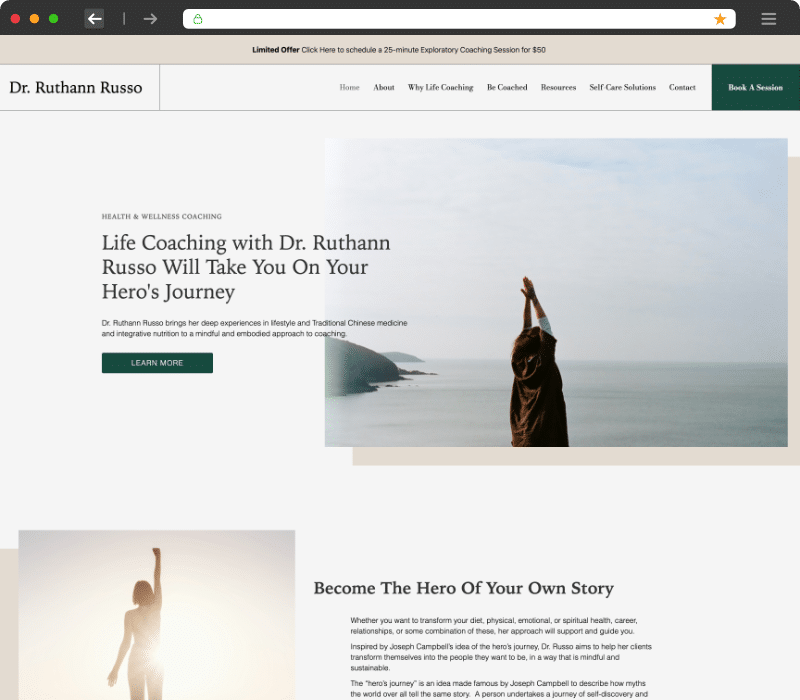
Copywriting gains power when built on real user insights instead of assumptions alone. User experience research techniques such as heatmaps reveal where eyes linger and where clicks cluster (or avoid). Session recordings can pinpoint hesitation points - maybe an ambiguous form field label or unclear privacy policy link near signup boxes.
A/B testing content variations remains invaluable even for seasoned teams. radiantelephant.com digital marketing For instance, swapping out jargon-heavy phrases for plain English often yields double-digit improvements in engagement metrics on technical services pages like frontend development or SEO-friendly websites.
User testimonials play an outsized role in trust-building too but must be specific (“Our online bookings doubled after switching to this WordPress web design agency”) rather than generic praise (“Great service!”).
Streamlining Forms Without Sacrificing Data Quality
Every extra field in a form reduces completion rates; this has been confirmed across dozens of campaigns I’ve overseen for both e-commerce web design clients and service providers alike. Yet marketers sometimes insist on gathering everything upfront: phone number, company name, address details - all before offering any value in return.
Pare forms down to essentials needed at this stage of engagement only: name and email almost always suffice initially unless regulatory reasons compel more fields (for example age verification). Progressive profiling lets you ask for more info later once trust is established.
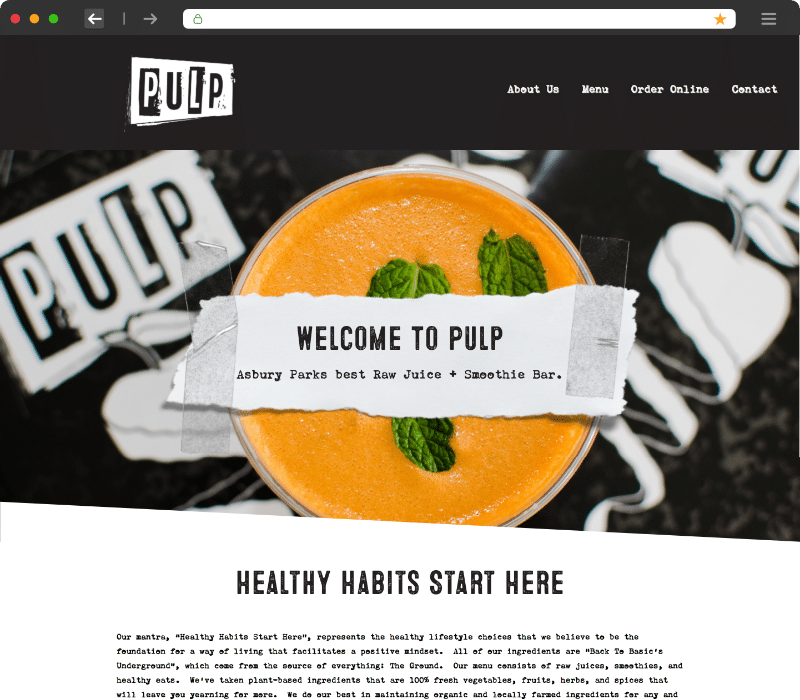
Validation also matters here: instant feedback (“Please enter a valid email”) cuts frustration compared to vague errors only shown after submission attempts fail repeatedly.
Performance Optimization Is Nonnegotiable
Even beautifully designed landing pages underperform if they lag on load times or stutter under traffic spikes from successful digital marketing strategies like pay-per-click campaigns.
Website performance testing tools reveal hidden bottlenecks such as uncompressed images, excessive JavaScript libraries loaded sitewide instead of conditionally per page type (a common flaw with popular web development frameworks), or blocking CSS stylesheets that delay rendering above-the-fold content.
In one project involving site navigation best practices for an international retailer’s launch campaign, trimming three unused plugins from their content management system shaved nearly two seconds off their initial load time - which correlated directly with lower bounce rates during their busiest promotional window.
SEO-Friendly Foundations Drive Quality Traffic
No matter how compelling your offer is visually or verbally, discoverability matters just as much as persuasiveness once visitors land onsite from organic search channels.
Landing pages should feature unique meta titles/descriptions aligned with user intent queries (for example “Custom E-commerce Web Design Packages” instead of just “Home”). Northampton SEO Semantic HTML/CSS coding helps search engines parse meaning while boosting accessibility simultaneously - using heading tags in proper order rather than relying solely on font styling tricks seen on less disciplined builds.
Internal linking from blog posts or resource sections creates topical relevance clusters around high-value keywords related to your services (“web design tools”, “website optimization techniques”) without overstuffing copy awkwardly just for rankings’ sake.
Branding Consistency Through Design Elements
A landing page exists within an ecosystem of brand touchpoints: emails sent before arrival, social media ads driving clicks, follow-up messages after form fills. Visual consistency across these channels reinforces trust while reducing cognitive dissonance that can tank conversion rates unexpectedly.
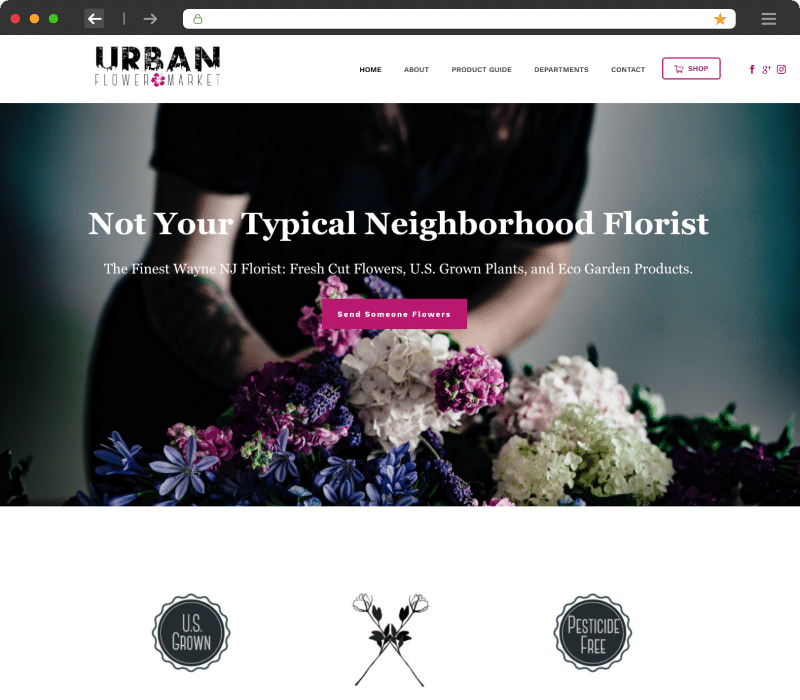
Logo placement should remain predictable yet unobtrusive; color palettes must align with broader branding guidelines developed during identity design phases rather than arbitrary choices per campaign manager whimsy.
Typography too plays its part: mixing too many fonts confuses users subconsciously about credibility levels (a real issue spotted during several audits involving freelance portfolios using free website builders).
When To Redesign Versus Tweak Incrementally
Not every stagnating landing page needs wholesale replacement via expensive website redesign projects using new web development frameworks or CMS platforms like WordPress if the fundamentals remain sound structurally but execution falters tactically (such as outdated visual hierarchy).
Sometimes targeted tweaks provide outsized ROI:
- Swapping stock banners for custom illustrations. Rewriting headlines based on fresh keyword research. Adjusting spacing/whitespace ratios around CTAs. Implementing wireframing/prototyping cycles before committing major dev resources. Running split tests between alternative layouts over several weeks’ worth of traffic data collection rather than going all-in blindly based on gut feelings alone.
Less frequently though - especially when analytics reveal high bounce rates despite repeated small changes - it signals deeper issues with core messaging alignment or technical debt accrued from legacy builds not suited for modern web accessibility standards nor seamless mobile interactions anymore.
Integrating Modern Tools Without Losing Focus
The landscape of web design tools evolves rapidly: Figma has largely replaced Photoshop among UI/UX designers; no-code platforms enable quick iterations even by non-developers for MVP launches; analytics suites track micro-conversions beyond final purchase events alone.
Yet piling tool upon tool risks muddying process discipline if used without clear purpose tied back directly to key business goals (lead generation counts per channel tracked via custom events set up during frontend development sprints).
It pays dividends long-term to instill habits around regular performance reviews using these instruments rather than treating them as one-off fire drills during campaign launches only.
Testing & Learning From Every Interaction
Conversion rate optimization isn’t static nor purely quantitative; it’s iterative learning grounded by empathy.
After launching even expertly crafted WordPress web designs or hand-coded HTML/CSS landing pages from scratch:
Review heatmaps weekly looking for unexpected dead zones, Solicit user feedback via unobtrusive popups targeted at exit-intent moments, Monitor drop-off points within forms using funnel analytics, Benchmark site performance pre-and-post changes, And always cross-check against original goals set during project kickoff meetings.
Sometimes what works brilliantly for one audience segment tanks elsewhere due to cultural preferences around trust signals (badges/logos), formality level in language used (“Try Now” vs “Request Demo”), even preferred payment gateways integrated into e-commerce flows.
Bringing It All Together
Designing high-converting landing pages blends creativity with discipline across disciplines: UI/UX artistry meets data-driven rigor; technical prowess complements storytelling craft.
Whether you’re revamping outdated legacy assets using modern responsive techniques, building bespoke solutions atop robust content management systems, or simply optimizing first impressions through careful adjustments to copy tone, image choice and CTA placement,
the path forward hinges not just on what looks good, but what removes barriers between intention and action at every turn.
Outstanding results come not from chasing trends blindly, but from mastering fundamentals then adapting them judiciously to each unique business context – always informed by honest appraisal of real-world outcomes over time.
When every pixel serves purpose, every word earns its place, and every click feels natural rather than forced,
the payoff arrives quietly yet unmistakably: more visitors become customers, and brands build reputations rooted in thoughtful execution rather than luck alone.
Radiant Elephant 400 Deal Lake Drive, Asbury Park New Jersey 07712 732-757-9047